The Link Between Caffeine and Heart Palpitations
Many people rely on a morning cup of coffee to start their day. It provides a quick burst of energy and helps clear the mind. However, that helpful boost can sometimes make your heart race, flutter, or skip a beat. This feeling can be frightening, especially if you don’t know why it’s happening. But Cardiac Solutions can help you identify the cause of your heart palpitations and the best ways to improve your heart health. Rely on us to explain the connection between caffeine and heart palpitations so that you can make informed choices about your daily habits.
What Causes Heart Palpitations?
A heart palpitation is the feeling that your heart is beating too fast, fluttering, or pounding. You might feel it in your chest, throat, or neck. While palpitations can be alarming, they’re very common and often harmless. Several different factors can cause your heart to race or flutter. Some of the most common causes include:
- Strong emotions like stress, anxiety, or fear
- Intense physical exercise
- Certain medical conditions, such as an overactive thyroid
- Changes in hormones during pregnancy or menopause
- Stimulants found in diet, medications, or daily habits
How Caffeine Affects the Heart
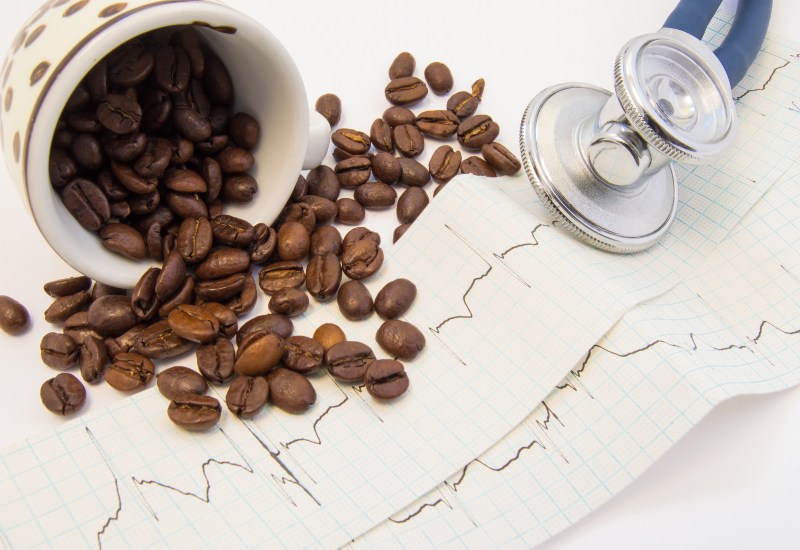
Caffeine is a natural stimulant found in coffee, tea, chocolate, and energy drinks. When you consume it, caffeine travels through your bloodstream and directly stimulates your central nervous system, telling your brain to stay awake and alert.
Caffeine’s effects on heart function are direct. The stimulant causes your heart to beat slightly faster and temporarily raises your blood pressure. For most healthy adults, this small change is completely safe and normal. However, the extra stimulation may cause noticeable concerns for others.
Can Caffeine Trigger Heart Palpitations?
There’s a strong link between caffeine and heart palpitations. Because caffeine stimulates your nervous system, it can disrupt the normal electrical signals that control your heartbeat. This disruption is what makes your heart feel like it’s skipping a beat or fluttering. Cases of caffeine causing heart palpitations often happen when someone drinks a large amount of coffee or energy drinks in a short time. However, even a single cup of tea can trigger this response if your body isn’t used to it.
Risks of Too Much Caffeine
The U.S. Food and Drug Administration (FDA) asserts that up to 400 milligrams a day – equal to about four cups of brewed coffee – is a safe amount for most healthy adults. Going past this limit can lead to unwanted side effects, such as:
- Feeling restless or jittery
- Difficulty falling asleep or staying asleep
- Headaches and dizziness
- An upset stomach or heartburn
- A rapid, pounding heart rate
Understanding Caffeine Sensitivity
Everyone processes stimulants differently. You might know someone who can drink a large coffee before bed and sleep perfectly fine. On the other hand, you might feel jittery after just a few sips of green tea. Caffeine sensitivity depends on your genetics, age, body mass, and how often you consume caffeinated drinks. Listening to your body is the best way to identify your personal limits so that you can avoid too much caffeine and heart palpitations.
Tips to Reduce Caffeine-Related Palpitations
You may be able to manage caffeine-related heart palpitations with a few simple lifestyle changes, including:
- Cut Back Slowly – Gradually reduce the amount of coffee or soda you drink each day to avoid withdrawal headaches.
- Drink More Water – Dehydration can make a racing heart feel worse. Keep a glass of water nearby and stay hydrated.
- Switch to Decaf – Try replacing your afternoon cup with a decaffeinated version or herbal tea.
- Read the Labels – Be aware of hidden stimulants in energy drinks, workout supplements, and over-the-counter pain medications.
When to See a Doctor
Most of the time, an occasional fluttering heart is harmless. However, you should never ignore your heart health. If your palpitations are frequent, last for an extended period, or get worse over time, you should seek medical advice. Furthermore, the following symptoms may indicate a serious heart condition that requires prompt care:
- Chest pain or heavy pressure
- Shortness of breath
- Severe dizziness or lightheadedness
- Fainting or feeling like you might pass out
FAQ About Caffeine and the Heart
Does Caffeine Permanently Damage the Heart?
No. For most healthy adults, consuming moderate amounts of caffeine won’t cause permanent heart damage. However, excessive use can worsen underlying heart conditions.
How Long Does It Take for Caffeine to Leave the Body?
Caffeine effects usually peak within one hour of consumption. However, it can stay in your system for four to six hours, which is why drinking coffee late in the day can keep you awake.
Can Energy Drinks Cause Worse Palpitations Than Coffee?
Yes. Energy drinks often contain high levels of added sugars, other stimulants like guarana, and very high doses of caffeine. This combination can cause more severe reactions than a standard cup of coffee.
Contact Us for Cardiac Care Today
Cardiac Solutions has expert cardiologists in Glendale, Peoria, Sun City West, and the Southwest Valley to help provide a clear plan for your heart health and well-being. We use the latest technology and a compassionate approach, so contact us today to schedule an appointment.