Silent Symptoms of a Heart Attack
Heart attacks don’t always happen how they’re portrayed in movies. You might not feel a sudden, crushing pain in your chest. Instead, your warning signs could be quiet and hard to miss. But recognizing these silent signals is an important part of protecting your health. Cardiac Solutions can help you understand your risks and detect problems early, keeping your heart strong. Let us explain the subtle signs of a heart attack and when to seek medical attention.
What Is a Silent or Mini Heart Attack?
A silent heart attack – also known as a silent myocardial infarction – happens when blood flow to your heart muscle is blocked. However, classic chest pains don’t accompany this cardiovascular event, so you might think you just have the flu or a strained muscle.
Our cardiologists can also address mini heart attack symptoms. A mini heart attack usually means the blockage was brief or affected a small part of the heart. Even though the symptoms might feel small, the damage to your heart is real. Recognizing the symptoms of a silent heart attack early can save your life.
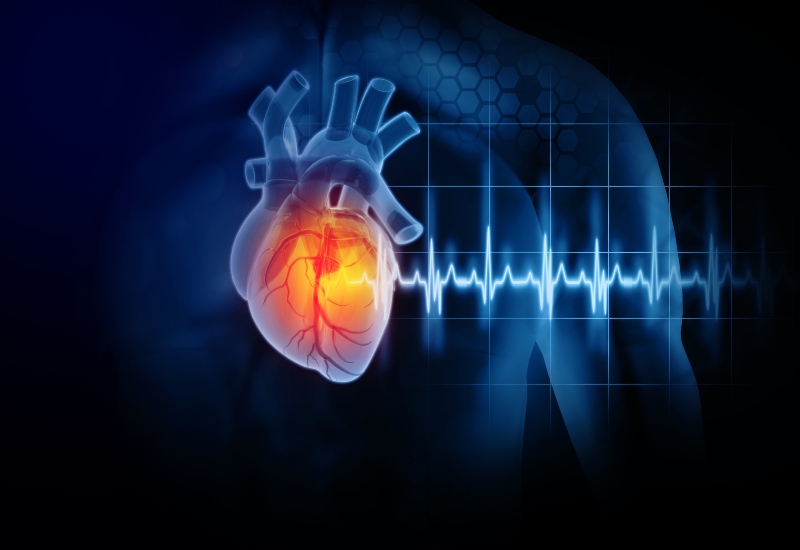
Common Signs of a Silent Heart Attack
When your heart doesn’t get enough oxygen, your body sends warning signals. These silent heart attack symptoms can be mild and confusing. Because they don’t seem like medical emergencies, many people ignore them. Common signs include:
- Mild Chest Discomfort – You might feel a dull ache, pressure, or a squeezing sensation in the center of your chest. This feeling may come and go.
- Shortness of Breath – You may feel like you cannot catch your breath, even if you’re resting.
- Dizziness or Lightheadedness – You might suddenly feel dizzy or like you could faint.
- Cold Sweats – Breaking out in a cold sweat for no clear reason is a common warning sign.
Subtle and Overlooked Symptoms
Sometimes, the signs and symptoms of a silent heart attack don’t happen in the chest. These subtle signs of a heart attack are easy to mistake for everyday stress or an upset stomach. Watch out for the following signs of a light heart attack:
- Fatigue – Feeling suddenly exhausted without doing any heavy physical work is a major red flag, especially for women.
- Stomach Pain or Heartburn – You might feel sick to your stomach, throw up, or have intense indigestion.
- Pain in Other Areas – You may feel pain, stiffness, or numbness in your jaw, neck, upper back, or arms.
Symptoms of a Heart Attack While Sleeping
A heart attack can happen at any time, even when you’re resting in bed. Experiencing symptoms of a heart attack while sleeping can be especially scary. Your body might try to wake you up to warn you that something is wrong. Be wary of these nighttime warnings:
- Sudden Gasping – Waking up suddenly because you cannot breathe or feel a tightness in your throat
- Waking Up in a Cold Sweat – Finding your pajamas soaked in sweat without having a fever
- Unusual Chest Pressure – Waking up with a strange heaviness on your chest that doesn’t go away when you change positions
Why Silent Heart Attacks Are Dangerous
A silent heart attack is just as dangerous as a regular heart attack. But an added danger is that you might not seek treatment. If you don’t know you had a heart attack, you won’t get the medicine or care you need to help your heart heal. Without proper care, the damaged heart muscle can weaken, increasing your chances of having a second, more severe heart attack. It can also lead to heart failure later in life.
Who’s at Risk for Silent Heart Attacks
Anyone can have a silent heart attack, but certain health factors make it more likely. Understanding your risk can help you stay alert. You might be at a higher risk if you have:
- A family history of heart disease
- High blood pressure or high cholesterol
- Diabetes, which can change how you feel pain
- A history of smoking or using tobacco products
- Excess weight or a lack of physical activity
When to Seek Medical Attention
Never ignore your body when it tells you something’s wrong. If you experience light heart attack symptoms, don’t wait to see if they go away. You must also not try to drive yourself to the hospital. Call 911 immediately. It’s always best to get examined by a doctor than ignore heart concerns.
FAQ About Silent Heart Attacks
Can a Doctor Determine Whether I Had a Silent Heart Attack?
Yes. Doctors can use an electrocardiogram or an echocardiogram to look at your heart and see if there’s damage from a past heart attack.
How Long Do Symptoms Last?
The symptoms can last for a few minutes or come and go for several hours. Even if you feel better quickly, you should call your doctor.
Are Silent Heart Attacks More Common in Women?
Women are more likely than men to experience subtle symptoms, such as deep fatigue, jaw pain, or nausea instead of classic chest pain.
Contact Us for Silent Heart Attack Guidance Today
If you’re worried about heart health and want to know more about your risks, Cardiac Solutions can help. Contact us in Glendale, Peoria, Sun City West, or the Southwest Valley today to schedule an appointment.