
What to Expect During Your Stress Echocardiogram
If you’ve been told you need a stress echocardiogram, you likely feel a little unsure about what to expect. However, the team at Cardiac Solutions in Arizona’s West Valley can explain the procedure and prepare you for the test. Essentially, an echocardiogram stress test assesses how your heart performs under stress or during physical activity. This blog will highlight who should get one, how to prepare, and much more. Read further to learn about proactive steps toward better heart health.
What Is a Stress Echocardiogram?
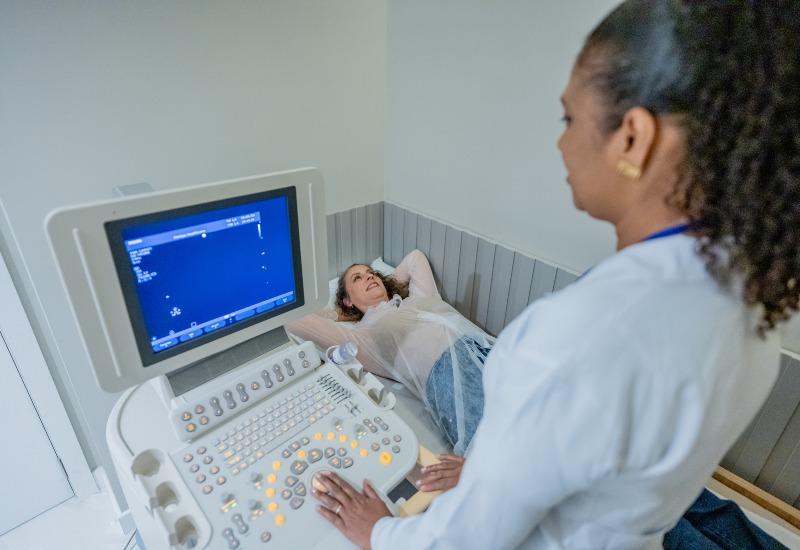
A stress echocardiogram is a specialized heart stress test that evaluates how your heart muscle works under physical stress. Unlike a standard echocardiogram, which is conducted while you’re at rest, the stress version kicks it up a notch to see how your heart functions when working harder. During the test, high-frequency sound waves create images of your heart. These images help detect any potential problems, such as reduced blood flow to your heart muscles or issues with how your heart pumps. It’s particularly useful because it reveals abnormalities in heart function that are only present when the muscle is under stress.
Who Needs a Stress Echocardiogram?
Your doctor may recommend a stress echocardiogram if you’re experiencing symptoms like chest pain, shortness of breath, or irregular heartbeats. It’s also commonly used for people with known heart conditions to monitor their progress and evaluate treatment effectiveness. Furthermore, it can benefit any individuals who fall into the following categories. So, if these scenarios sound familiar, you should schedule a consultation to discuss a stress echocardiogram.
- Patients with Suspected Coronary Artery Disease – The test can detect blockages in blood flow.
- Those with Existing Heart Conditions – A stress echocardiogram can assess how well your current treatment is working.
- People Experiencing Heart Disease Symptoms – A test can investigate chest pain, fatigue, or other concerns.
- Fitness Enthusiasts Under Medical Care – Ensure your heart is functioning optimally during physical activity.
How to Prepare for the Test
Preparing for a stress echocardiogram shouldn’t feel overwhelming. However, a little preparation will help ensure the test goes smoothly and provides accurate results. Here are some clear and simple steps to follow before your test day:
- Wear Comfortable Clothing and Footwear – You’ll be walking or running on a treadmill, so think gym attire.
- Follow Your Doctor’s Instructions About Eating – Your provider may ask you to fast for a few hours before the test.
- Limit Caffeine Intake – Some beverages like coffee or energy drinks could affect your results, so avoid them beforehand.
- Take or Skip Certain Medications as Directed – Ask your doctor if any of your prescriptions could interfere with the test.
- Bring Any Necessary Documentation – Arrive prepared with your ID, insurance information, and any previous test results.
What Happens During a Stress Echocardiogram?
Understanding what a stress echocardiogram entails can help calm your nerves. The entire process takes about 45 minutes or an hour, after which patients can typically resume normal activities. It’s straightforward and consists of three main steps:
- Step 1: Baseline Echocardiogram at Rest – The test begins with an echocardiogram taken while your heart is at rest. A doctor will place electrodes on your chest to monitor your heart’s electrical activity, and an ultrasound will capture real-time images of your heart.
- Step 2: Exercise Phase – Next, you’ll be asked to walk or run on a treadmill or pedal a stationary bike, gradually increasing the intensity. The goal is to mimic stress on your heart by engaging in physical activity. If you’re unable to exercise, your doctor may use medication to simulate the same stress effect.
- Step 3: Post-Exercise Imaging – Immediately after your exercise, another echocardiogram will be conducted. This allows the doctor to compare the images of your heart during rest and stress.

Understanding Your Stress Echocardiogram Results
Once your test is complete, your cardiologist will discuss the results with you. The echocardiogram stress test results will show how your heart responded to stress, including any signs of decreased blood flow or abnormal heart function. Regardless of the outcome, our team at Cardiac Solutions can recommend the next steps for your heart health care plan. Your information will be categorized as one of the following:
- Normal Result – This signals that your heart is functioning well and there are no significant concerns.
- Abnormal Result – A poor result could indicate conditions like blocked arteries, coronary artery disease, or another issue requiring further examination.
Why You Can Count on Cardiac Solutions
Choosing the right provider for your stress echocardiogram is vital. By choosing Cardiac Solutions, you can rest assured you’re taking the best steps for your health. We’re a top choice for patients in Glendale, Peoria, and Sun City, AZ, because of our:
- Expert Medical Team – Our experienced cardiologists are experts in conducting and interpreting stress echocardiograms.
- Patient-Centered Care – We’ll work closely with you to address your concerns and ensure you feel supported throughout your journey.
- Advanced Technology – We utilize the latest echocardiogram technology to deliver precise, reliable results.
- Convenience and Accessibility – Our clinics provide efficient services in Arizona’s West Valley, with easy appointment scheduling and minimal wait times.
Schedule Your Stress Echocardiogram Today
Your heart deserves the best care. At Cardiac Solutions, we prioritize our patients’ heart health and ensure stress-free experiences. If you’ve been referred for a stress echocardiogram or think you may need one, don’t wait to act. Contact us today to schedule your stress echocardiogram immediately.